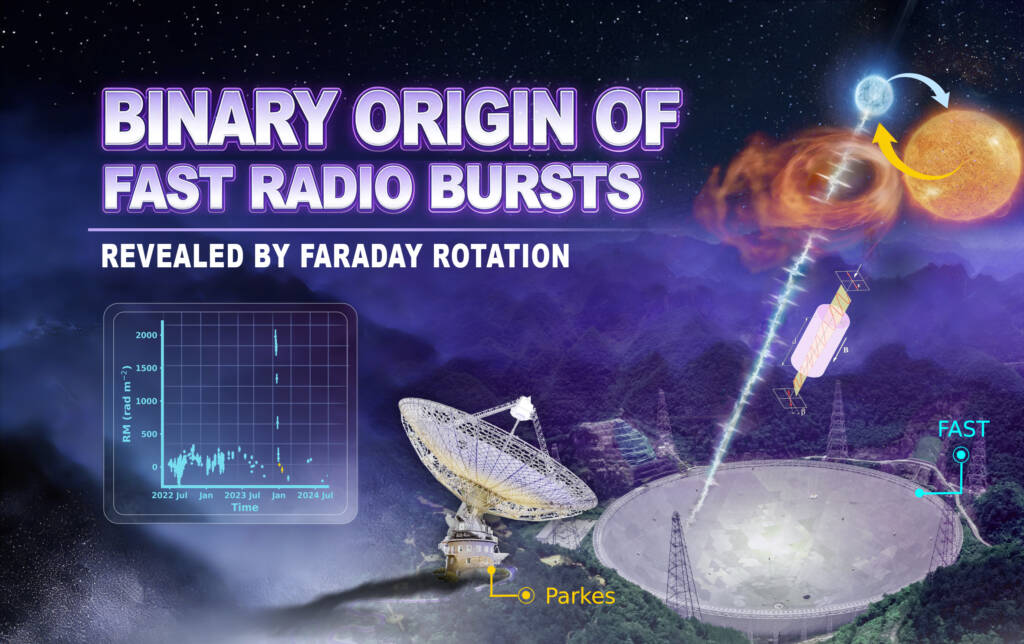
Using the Five-hundred-meter Aperture Spherical Telescope (FAST) located in Guizhou, also known as the “China Sky Eye”, the team detected a distinctive signal that reveals the presence of a nearby companion star orbiting the FRB source. The discovery, published in Science, is based on nearly 20 months of monitoring an active repeating FRB located about 2.5 billion light-years away.




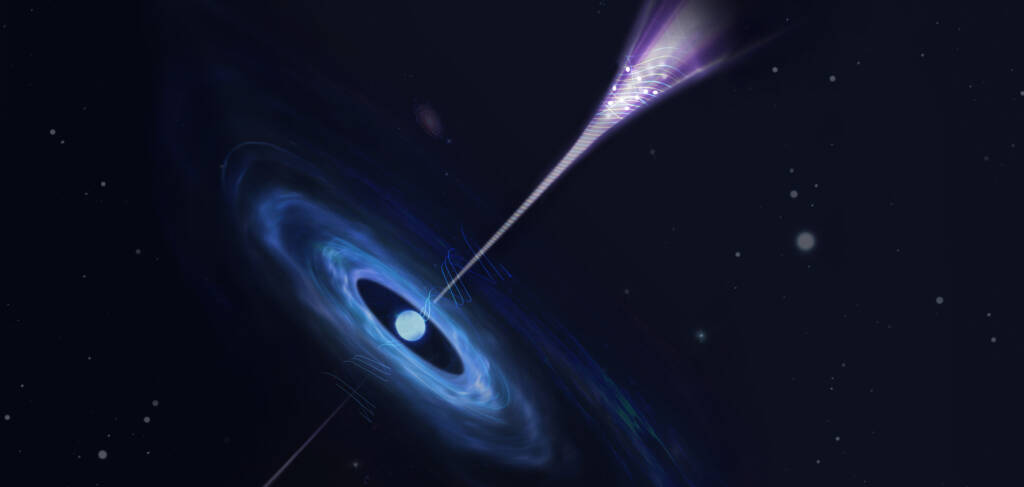
![Illustration of a magnetar in a binary system. [https://noirlab.edu/public/images/noirlab2323c/; CC BY 4.0]](https://hkiaa.hku.hk/wp-content/uploads/2025/12/Illustration-of-a-magnetar-in-a-binary-system.-CC-BY-4.0-1024x490.jpg)