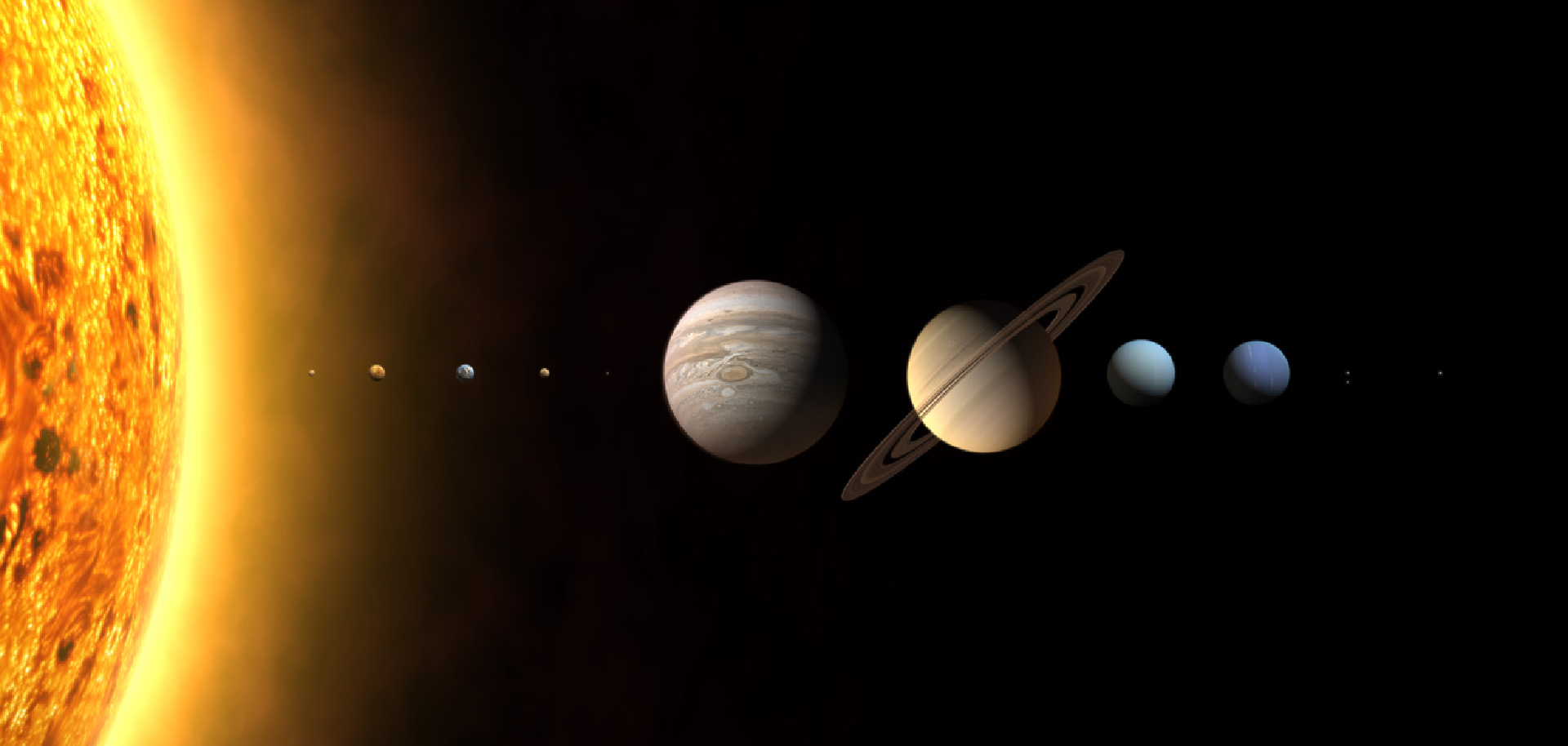
Solar system research is a comprehensive scientific field dedicated to understanding the origin and evolution of planets, moons, and small bodies. It integrates several core areas: planetary geology, which deciphers surface history; studies of interior structure and magnetic fields, which reveal dynamic internal processes; and the analysis of atmospheres and space environments, which govern climate and surface conditions.
These interconnected disciplines converge on the fundamental question of planetary habitability. Scientists assess the potential for life by searching for liquid water, essential chemical building blocks, and stable environments—from the Martian subsurface to the hidden oceans of icy moons. Ultimately, this research is powered by a fleet of robotic orbiters, landers, and rovers. By synthesizing data across multiple fields, it not only unravels our own cosmic history but also provides a critical framework for understanding planets throughout the galaxy.
The HKIAA members are actively working on terrestrial and giant planetary space sciences (Yao), origin and evolution of the solar system (Dauphas), planetary magnetosphere numerical simulations (Binzheng Zhang), formation and dynamical evolution of planetary bodies (Lee), as well as gamma-rays, magnetic fields, and cosmic rays from the Sun (Kenny C.-Y. Ng).